Episode Transcript
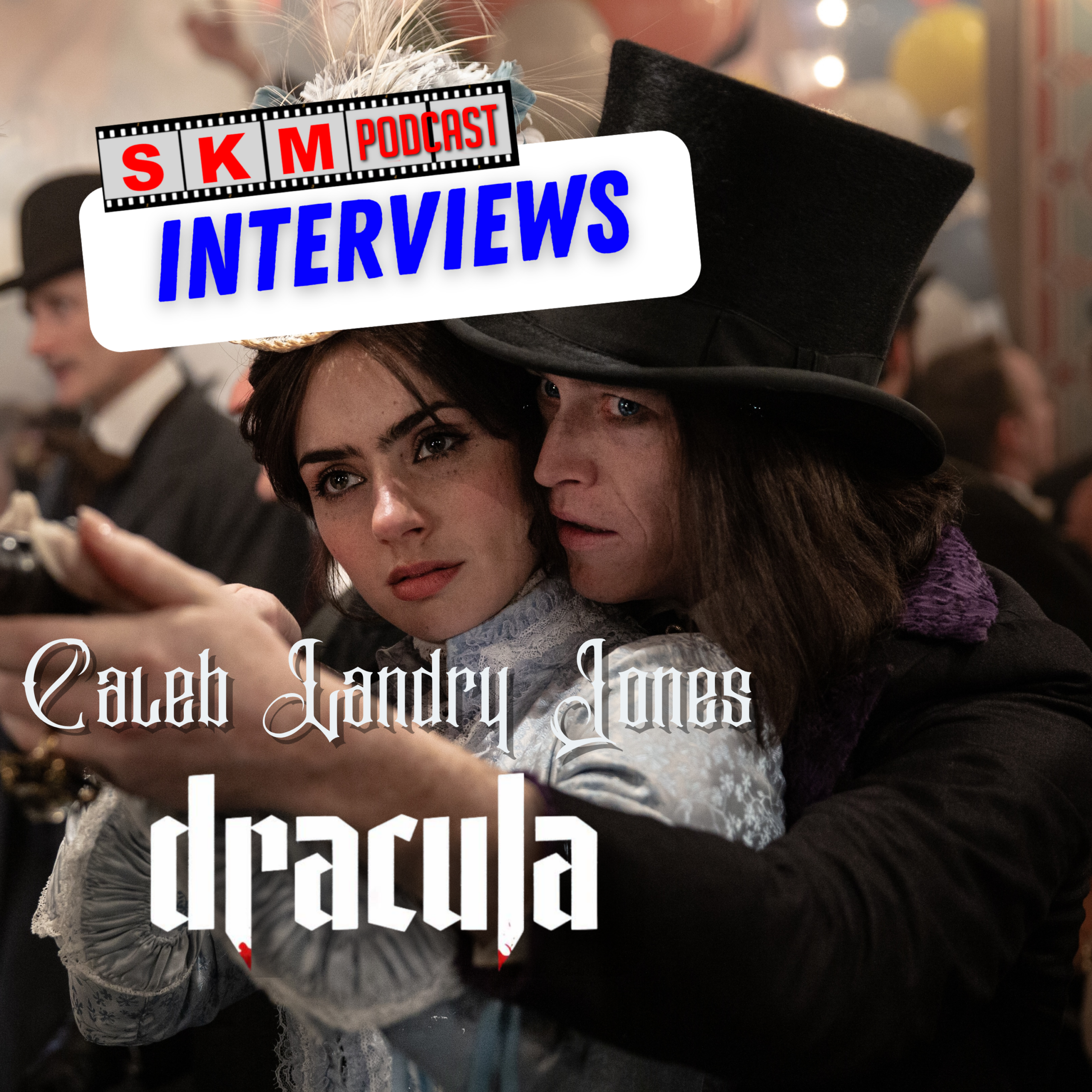
[00:00:10] Speaker A: Welcome back to Sean Kelly on Movies Interviews. Today, we're diving into the shadows with Calablancri Jones to discuss his haunting lead performance in Luc Besson's new adaptation of Dracula. Opening in theaters nationwide today. This version reimagines a legendary count not just as a monster, but as a man consumed by an eternal tragic love.
We are discussing the humanity behind the fangs.
And if you enjoy exclusive looks at this year's biggest performances, make sure to like and subscribe for more.
So not much time. So.
So this film shows, like, a much more human side to Dracula. So how did you balance the man from the Vampire?
[00:00:51] Speaker B: The man from the Vampire? Well, luckily, it starts with a man, so that was easier.
And Luke shot, for the most part, in chronological order.
So as an actor, it's like, one of the best things you could ask for. Just because you're getting to live those experiences somewhat in a more realistic time frame, you can look back at the thing you did last week and go, oh, gosh, that's what it was. Right. And so this needs to be like this. And it just puts it in a perspective in a different way and allows you to move through it emotionally in a different way.
So, yeah, so.
And Luke is such a articulate person and so clear when it comes to his own vision that there's not too much ambiguity when it comes to how to do something. By the time you're on set, you're already in a place where you're pretty much ready to go, you know, and now it's more about finding the thing, you know, not on the set. Yeah, but you get there early before filming, and you get a lot to do to soak up before filming. And by the time you're ready to filming to film, you shouldn't have much of an excuse as to why you're not ready to play the part.
[00:02:11] Speaker A: Okay, so how would you differentiate your Dracula from all the other screen versions of Dracula?
[00:02:20] Speaker B: Oh, Luc Besson. And I'm not any of those guys.
Neither is he.
And so, yeah, I think Luc Besson always takes you on a very specific kind of ride that is very much him. And it's a very special thing when he makes a film because so many other folks are trying to cater towards something else.
And I think he's just trying to satisfy himself in a kind of way when it comes to what he wants to see and what he feels for. And.
Yeah.
[00:03:03] Speaker A: Okay, so just wrap up.
What is the one moment in the film that struck with you the most?
[00:03:12] Speaker B: When I was reading the script There was a scene when I come to a church and I meet a bunch of nuns.
And I was.
I was stunned when I got to that part in the script. I don't want to ruin it for anybody watching.
[00:03:28] Speaker A: I remember that scene in the film.
[00:03:30] Speaker B: Yeah, but it sticks with you. Yeah, I think. And it became this kind of moment of this kind of surreal thing. And I loved that the movie had become that at the place that it does in the film.
But more so, I was really touched by the story that he was trying to tell and that he did want to focus on the relationship. And it was about this love and this man, like you said before, who had become something else out of not having that love and yearning for it and going mad in his isolation.
So a lot to do. But Luke had created something that was very specific to him, as he always does.
[00:04:19] Speaker A: All right, thank you so much.
[00:04:20] Speaker B: Thank you so much.